How to Find the Perfect Microphone for Your Voice? (5 Selection Criteria)
📝 Key Takeaways
- Ease of Use: Look for "Plug & Play" simplicity if you are a beginner.
- Durability: A mic is a long-term investment; choose one built to last.
- Frequency: Match the mic's response curve to your vocal range (Bass vs. Treble).
- Polar Pattern: Ensure it has a "Cardioid" pattern to isolate your voice from room noise.
- Testing: Don't buy on reputation alone; test how your voice sounds on it.
"Which microphone fits my voice?" is the most frequent question I receive. This guide, adapted from insights by DirectVoices, provides a roadmap to the answer.
A microphone isn't just a tool; it's the listener's "ear." It captures every nuance of your performance. Choosing the wrong tool can distort your talent, no matter how skilled you are.
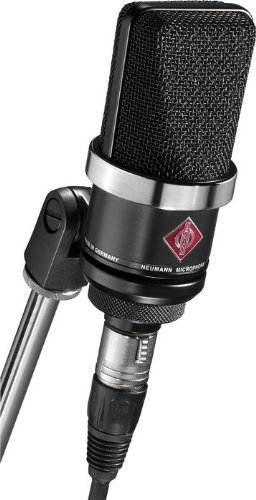
Take voice artist Ian Lowell as an example. It took him years of trial and error before settling on the Neumann TLM 102. Yet, he always advises: "What fits my voice might not fit yours. You must find your own sonic partner."
1. Technicality & Ease of Use
In our fast-paced world, a good microphone is one that doesn't fight you. The easier it is to set up, the faster you can audition. Avoid mics that require complex engineering setups if you are just starting out.
2. Durability & Longevity
Your mic is the "workhorse" of your studio. You will use it for hours daily. Buying a cheap, fragile mic will cost you more in the long run due to replacements. Buy once, buy smart.
3. Frequency Response
The design of a microphone dictates how it captures different sound pitches:
- Male Voices: Often lean towards lower, warmer tones. Large Diaphragm condensers usually suit this depth best.
- Female Voices: May require mics with a response curve that captures high-end detail and clarity without sounding harsh or sibilant.
4. Polar Pattern
This is critical for sound isolation. The "Polar Pattern" defines the direction from which the mic "hears":
- For Voice Over, we almost always use the Cardioid pattern (Heart-shaped).
- This pattern picks up sound from the front and rejects noise from the rear (computer fans) and sides (room reverb).
5. Test Before You Commit
Don't buy a mic just because a famous YouTuber uses it. Voices are unique fingerprints. If possible, visit an audio store and record your voice on different types (Warm, Bright, Neutral) to see which one flatters your tone.
❓ FAQ: Selecting Gear
How does mic choice differ by gender?
Male voices often benefit from Large Diaphragms for depth ("Body"). Female voices often need precision in the mids and highs ("Presence") to ensure clarity.
Is expensive always better?
Not at all. Synergy matters more than price. A $300 mic might sound better on *your* voice than a $3000 mic if the frequency response matches your timbre.
About: Ahmed Younes Ahmed
Media Manager | Founder of Tuneful Voice
Voice producer and media manager with over 21 years of experience. Has directed projects for clients like HP, Microsoft, and Amazon. Through the Tuneful Voice blog, he shares expertise to help talents build their sonic identity.